

Gardening is more than just a hobby; it’s a way to positively contribute to your local environment.
Sustainable garden design moves toward creating an eco-friendly space that supports local ecosystems while reducing waste.
Let’s dive into some genius sustainable garden design tips that will transform your yard into a green oasis.
The Importance of Sustainability
In today’s world, sustainability isn’t just a buzzword; it’s a necessity.
A sustainable garden uses resources wisely, minimizes waste, and promotes biodiversity. It’s about creating a beautiful space that also benefits the environment. Many more ideas can be found in Marian Boswall’s Sustainable Garden (buy here), but here are 11 tips to help you get started:
1. Choosing Native Plants
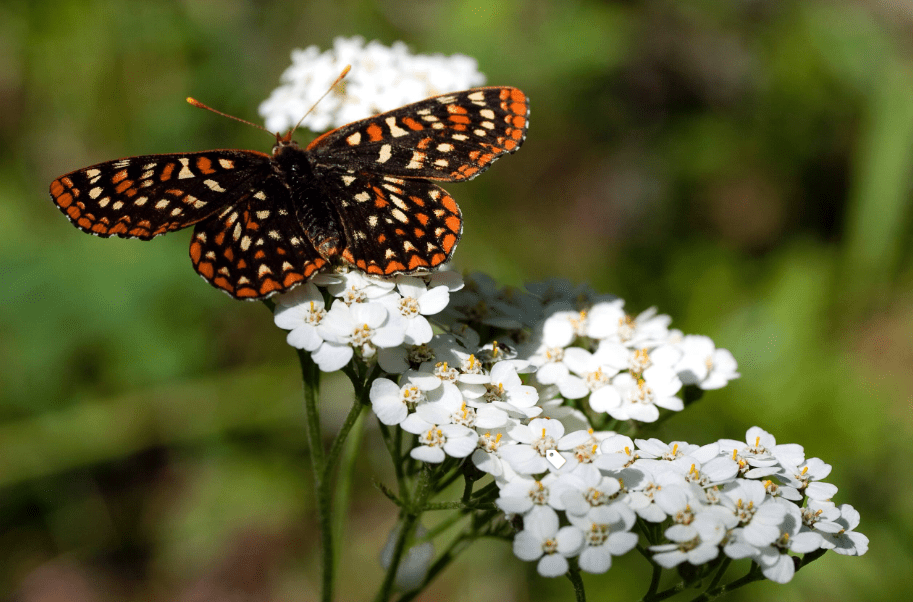
One of the best ways to create a sustainable garden is to use native plants.
They are adapted to the local climate and soil, requiring less water and maintenance. Plus, they provide essential habitats for local wildlife.
For instance, in my own garden, I replaced an ailing Cordyline australis with native Yarrow (Achillea millefolium) wildflowers, and it was amazing to see the increase in butterflies and bees visiting that part of the garden in a short space of time.
2. Composting
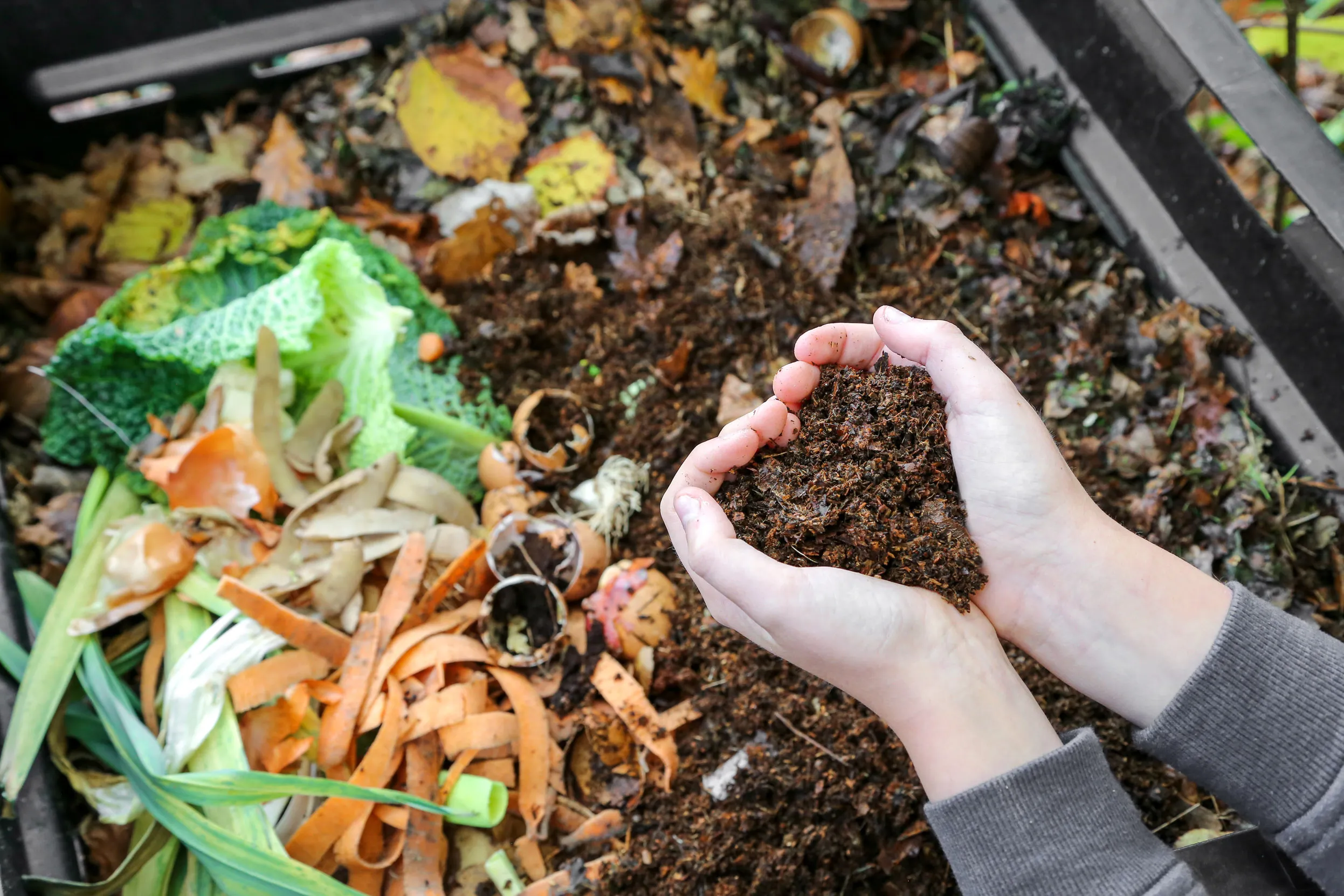
Instead of sending kitchen scraps and yard waste to the landfill, compost them! Composting not only reduces waste but also provides rich nutrients for your plants. I set up a simple compost bin in a hidden corner of my garden, and it’s been a game-changer for my soil quality.
3. Water Conservation
Efficient water use is crucial for sustainability. Install a water butt to collect rainwater for irrigation. Drip irrigation systems also help minimise water usage by delivering water directly to the plant roots.

4. Recycling in the Garden
Think about how you can reuse materials in your garden. Old wooden pallets can be transformed into vertical planters, and broken pots can be used as drainage at the bottom of new pots. Why not turn an old ladder into a charming plant stand, adding height and character to your garden.
5. Organic, Peat-free Gardening

Avoid synthetic pesticides and fertilizers, which can harm the environment.
Choose organic alternatives such as homemade leafmold or peat-free compost instead.
Why not try out natural pest deterrents such as nematodes and ladybirds to keep your veg patch chemical free and low on pests.
Ladybirds are a super-effective means of controlling aphids, so leave messy areas in the garden at the end of summer for these friendly insects to find hiding places to overwinter.
6. Energy-Efficient Lighting
Lighting your garden doesn’t have to mean a higher electric bill. Solar lights are a fantastic option, providing soft lighting without energy costs. How about lining a garden path with solar lanterns, to create a magical glow at night.
7. Wildlife-Friendly Features
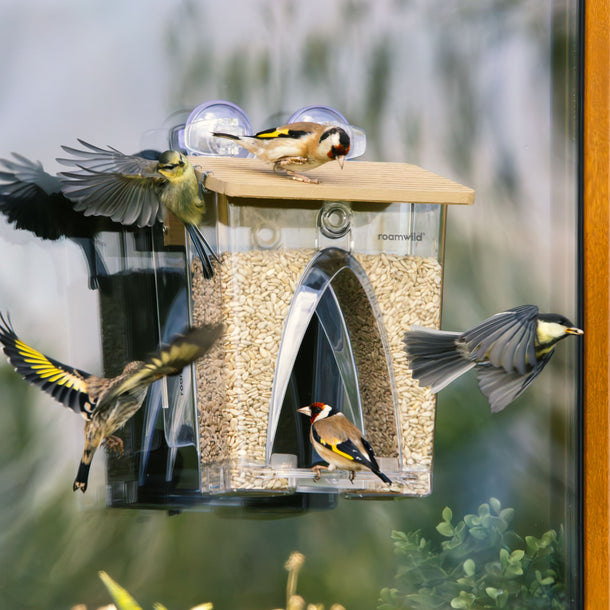
Add features like birdhouses, bat boxes, and insect hotels to attract beneficial wildlife. These creatures help with pest control and pollination.
My kids love watching the birds visit the feeders we’ve set up, and it’s a great way to teach them about nature.
8. Sustainable Garden Tools
Choose tools made from sustainable materials, like bamboo or recycled plastic. Additionally, maintaining your tools properly will extend their life, reducing the need for replacements. I have a sturdy, recycled plastic watering can that’s lasted years and still looks great.
9. Mulching
Mulching helps retain soil moisture, suppress weeds, and add nutrients to the soil as it decomposes. Use organic mulch like wood chips, straw, or leaves. I’ve found that using leaves from my yard as mulch not only recycles them but also provides excellent soil benefits.
10. Perennial Plants
Perennials are a great sustainable choice because they come back year after year, reducing the need for replanting. They’re also often hardier and less resource-intensive. My perennial herb garden not only saves me money each year but also provides fresh herbs for cooking.
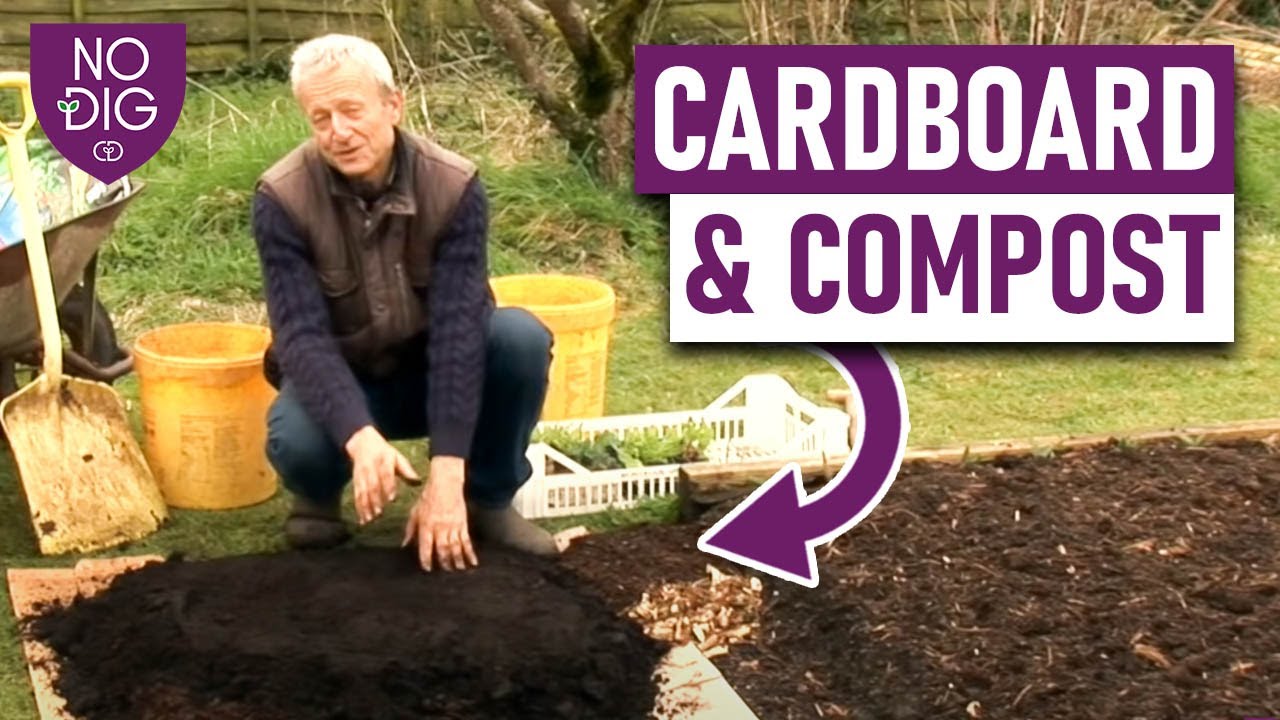
11. Go No Dig
Reduce weedkillers using Charles Dowding’s No Dig method of starting a garden!
Rather than digging over soil each season, try covering last year’s garden with a thick layer of garden compost and mulch. Turning over the soil brings weed-producing seeds deep in the ground to the surface and allows them to begin germinating. By using the ‘No-Dig’ method, you can cut back on natural weeds in half the time.
Conclusion
Creating a sustainable garden is about making mindful choices that benefit both your outdoor space and the environment.
By incorporating some of these tips, you can enjoy a beautiful, eco-friendly garden that thrives with less effort and more impact.
Every small step counts in making our planet greener, so get creative with it and have fun.
 Joel Davey Garden Design | The Place for High Quality Garden Design in Warwickshire